Driving Profitable Growth at Ferm Living
Overview
Ferm Living sits at the intersection of Scandinavian design and modern living, creating pieces that feel both intentional and quietly expressive. The brand’s strength lies in its ability to inspire customers through the way spaces are imagined and lived in. Since Ferm Living already holds a strong space in the market, the opportunity is to more seamlessly translate inspiration into conversion, done building a customer journey that feels as considered as the brand itself.
Inspiring Conversion
Like many homewares brands, Ferm Living operates within a highly considered, inspiration-led category, where customers spend time browsing, saving, and returning before making a purchase. While the brand naturally performs strongly at the top of the funnel, there is a clear opportunity to better connect this initial inspiration with a more seamless path to conversion. This is done through:
-
Pinterest is inherently designed for homewares inspiration, with users already actively searching, saving, and planning their spaces.
Positioning it as a primary growth channel creates a natural starting point to support the broader paid marketing mix.
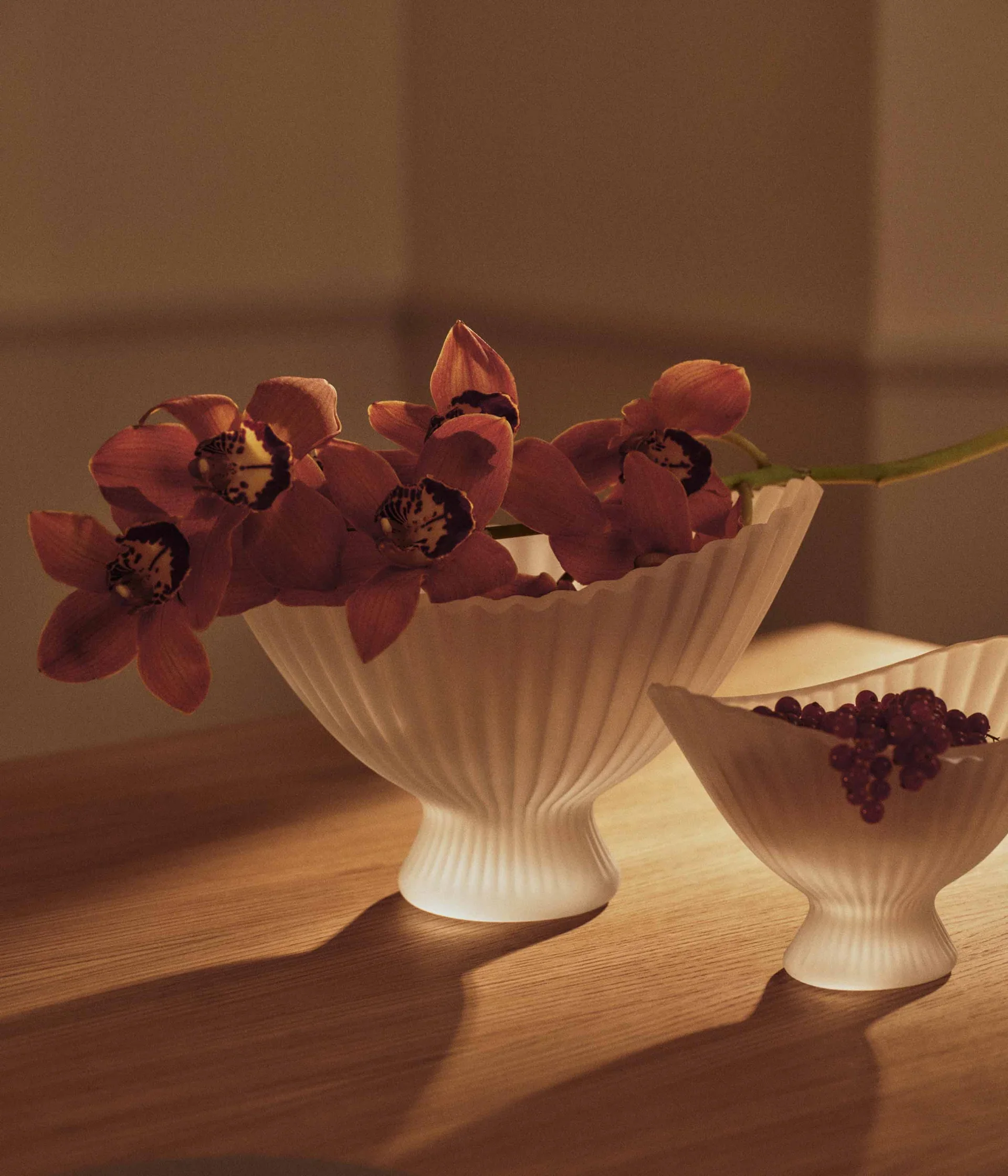
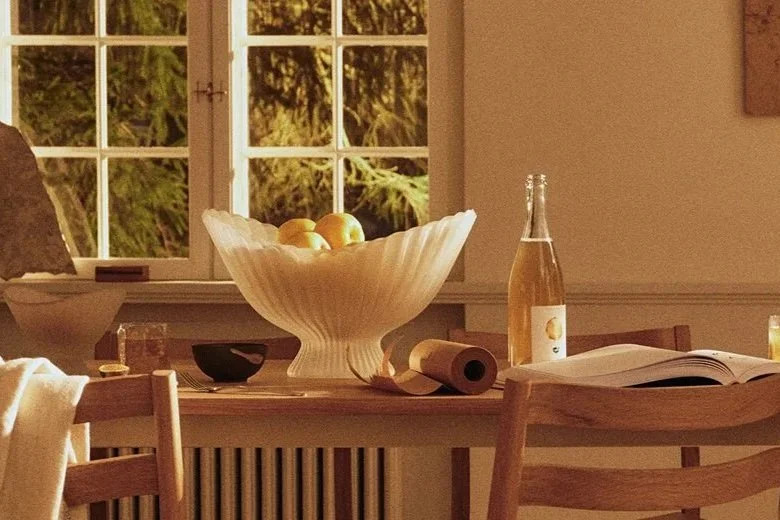
Content should centre on creating spaces people want to recreate, staying closely aligned to the brand’s existing aesthetic and tone, with product integrated in a way that feels considered and native to how Pinterest content is shared and saved.
-
Use retargeting as a way to bring customers back into the brand fold through spaces they’ve already shown interest in, rather than simply resurfacing individual products.
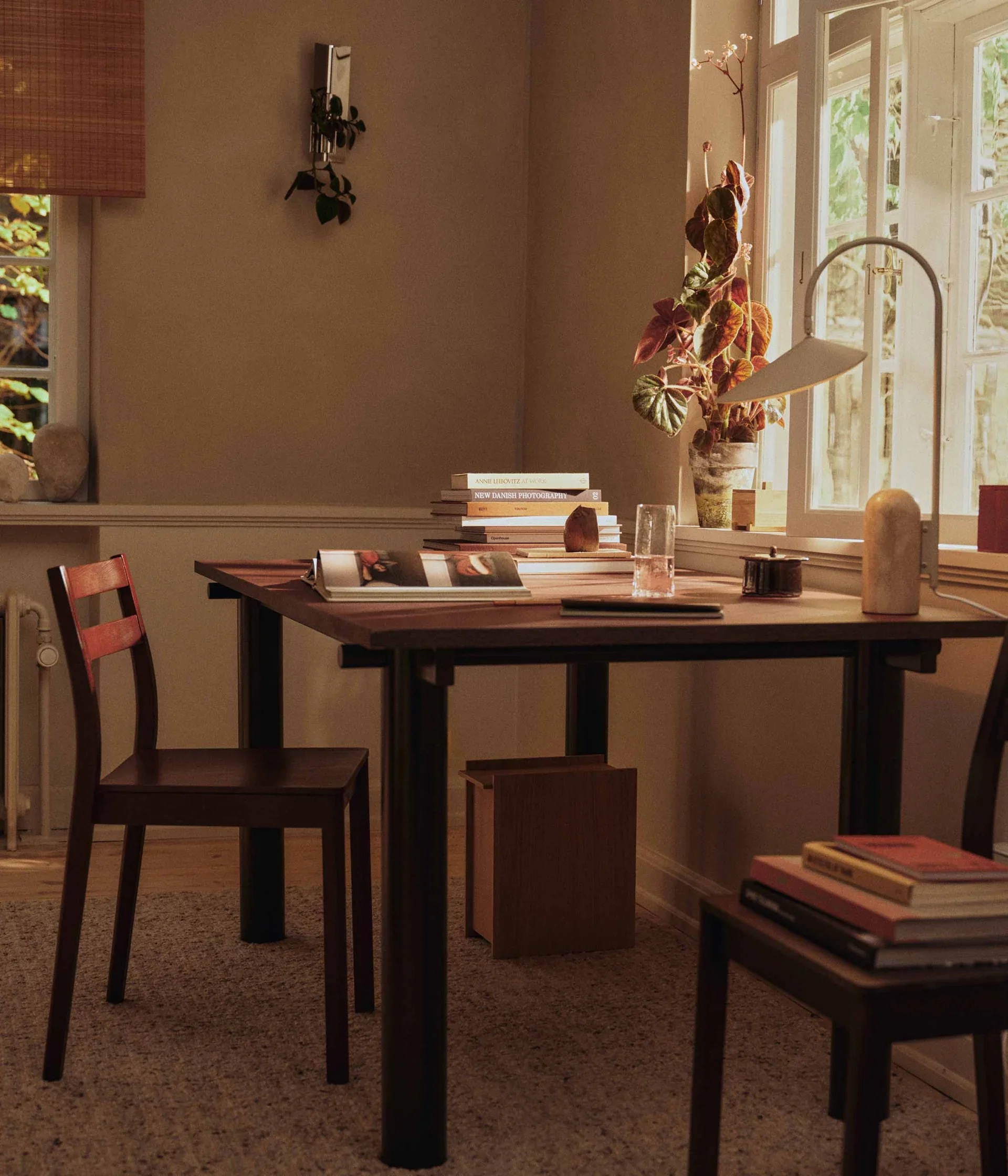
Ferm Living already has a strong library of room-based content on the website, which creates an opportunity to retarget using these environments, reconnecting users with the living room, the bedroom or the space they are already drawn to, and subtly reintroducing the products within it.
By leaning into these styled spaces, retargeting becomes less about pushing a single item, and more about reinforcing the overall vision of the home.
This allows customers to re-engage with the aesthetic they connected with, while naturally guiding them back to product and purchase in a way that feels considered and personalised to them.
-
Use CRM as a way to deepen the relationship once a customer has purchased. When someone buys into a specific category, such as a lounge piece, they are effectively opting into that world, creating a clear opportunity to continue serving content and products aligned to that space.
From there, communication becomes more considered and personalised to their interest. Customers can be guided through how to build out their living room, with complementary pieces, styling inspiration, and curated edits that reflect the aesthetic they’ve already shown intent towards.
This shifts Ferm Living’s CRM strategy into tailored, styling-forward content and messaging that encourages brand interaction and customer retention.

Owned Content Opportunities
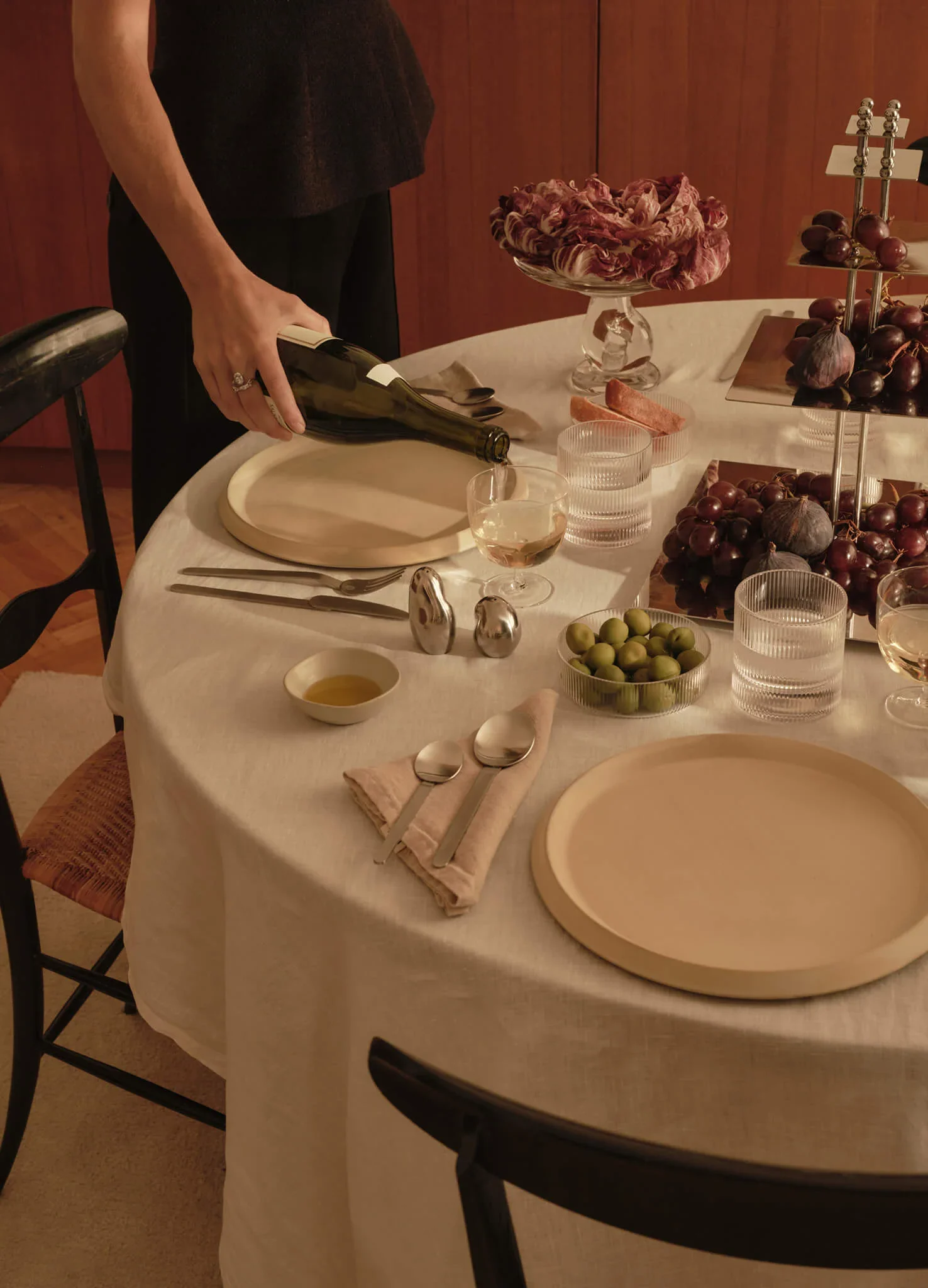
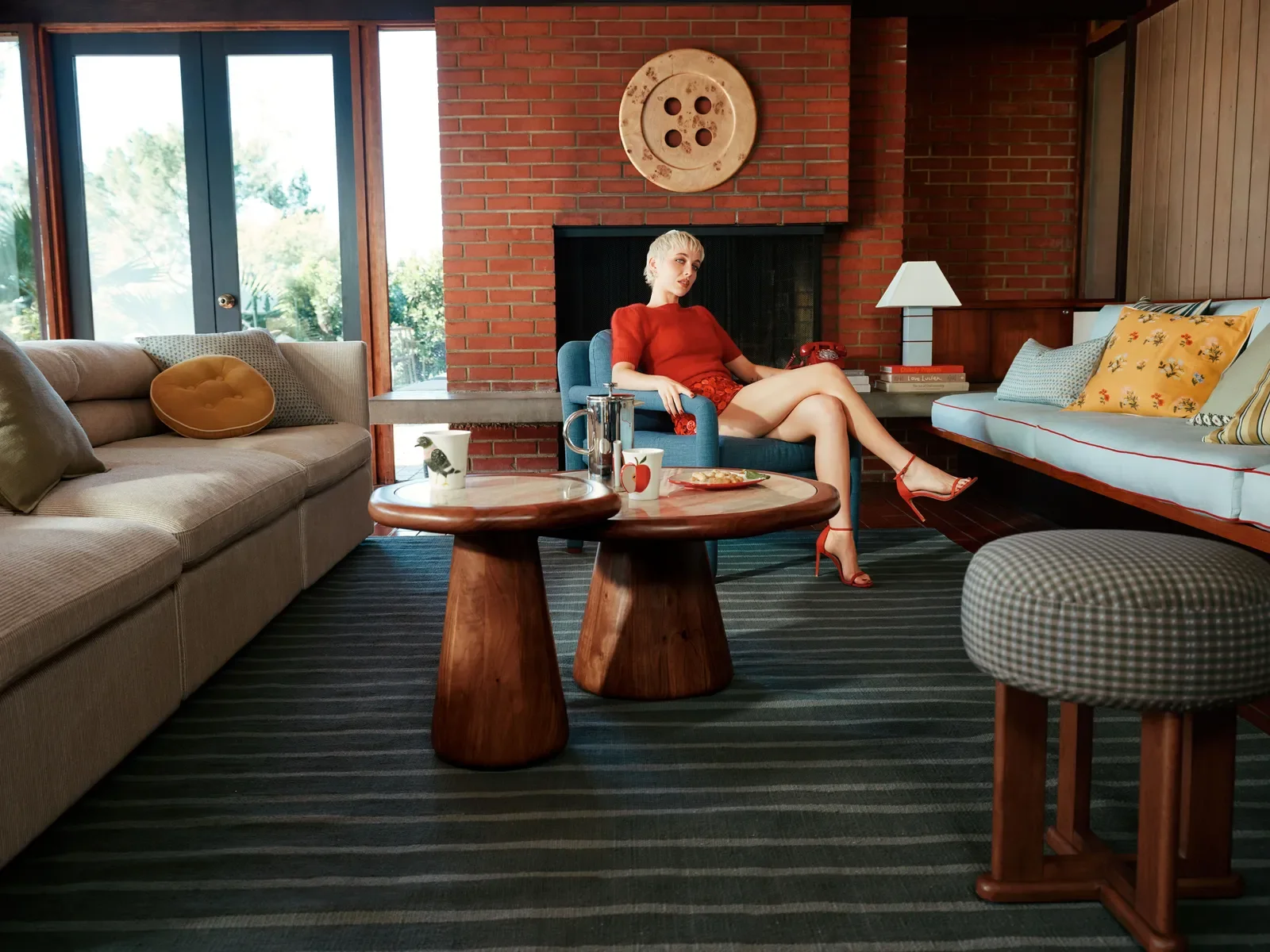
Ferm Living already has a strong foundation, with a considered content library, an engaged social audience, and a clear, design-led aesthetic. However, there is an opportunity to build on this through owned channels, particularly YouTube, as a space for more immersive, long-form storytelling.
YouTube content could focus on designer-led home walkthroughs, step-by-step styling of key spaces (similar to the room pages on Ferm Living’s website), and thoughtful breakdowns of how individual pieces come together within a home, allows potential customers and existing brand fans to engage more deeply with Ferm Living.
A prime example of this content is in Emma Chamberlain’s collaboration with West Elm, where her recent home walkthrough on Architectural Digest brought her collection to life in a way that felt both aspirational and personal. This type of content can be easily replicated with popular interior designers, creators, and thought leaders in the space.
When integrated across the wider ecosystem, this content can inform paid creative, strengthen retargeting, and feed into existing CRM journeys, and live on other social platforms ultimately supporting both conversion and long-term customer value.